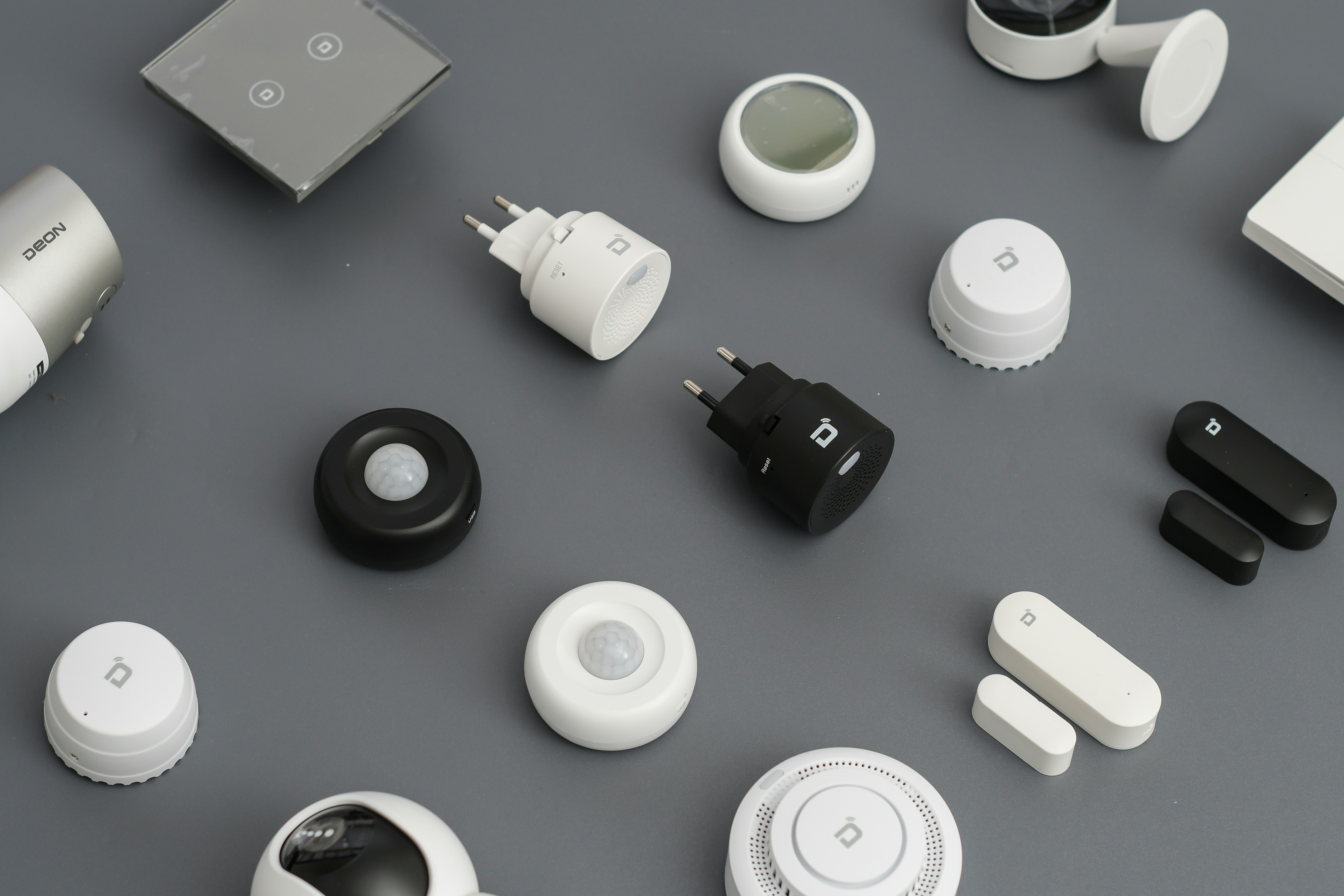
Introduction to Smart Home Technology
The evolution of smart home technology has seen considerable advancements over the past decade, transforming how we interact with our living spaces. Initially perceived as a luxury reserved for tech enthusiasts, smart home devices have become increasingly mainstream, reflecting broader societal shifts toward convenience, energy efficiency, and enhanced security. As technological innovations continue to surge, the integration of smart devices into everyday life is not merely a passing trend, but rather a fundamental evolution in modern living.
Smart home technology encompasses a range of devices designed to automate and remotely control household functions, with applications extending from simple tasks such as adjusting lighting and temperature to advanced security systems that monitor properties in real-time. The incorporation of Internet of Things (IoT) devices into home settings allows for seamless connectivity and interoperability between various systems, empowering homeowners to manage their environments more effectively and efficiently. Consequently, one can control locks, cameras, thermostats, and even appliances through smartphone applications or voice-activated assistants.
The growing accessibility of smart home devices has made them increasingly appealing to a wider audience. With the advent of affordable solutions and user-friendly interfaces, homeowners are leveraging these technologies to enhance their quality of life. Beyond convenience and efficiency, the integration of smart home features also carries significant implications for property value. As prospective buyers increasingly seek smart-enabled homes, an upgrade to a more technologically advanced residence may translate to an appreciable return on investment. This shift signifies a concerning trend towards smart homes becoming a standard expectation rather than an optional enhancement in the housing market.
As we navigate through the landscape of smart home upgrades that not only enhance convenience and security but also boost property value, it is essential to assess the key technologies transforming this sector. Understanding the implications of smart home technology will empower homeowners to make informed decisions regarding upgrades that yield substantial benefits.
Energy-Efficient Appliances
In recent years, the shift toward sustainability has emphasized the importance of energy-efficient appliances in modern homes. These appliances are designed to consume less energy while maintaining optimal performance, providing homeowners with numerous benefits that extend beyond simple utility savings. Investing in energy-efficient appliances can lead to a substantial reduction in monthly utility bills, as they often use innovative technologies to optimize energy usage. The long-term financial benefits can be significant, with some households experiencing a reduction in energy costs by 20% or more.
Beyond the immediate financial advantages, energy-efficient appliances contribute positively to overall sustainability efforts. By using less electricity and reducing greenhouse gas emissions, these appliances help create a more environmentally friendly home. Homeowners who prioritize energy efficiency are not only doing their part to combat climate change but are also participating in a larger movement towards sustainable living. This growing commitment to eco-friendly practices is becoming increasingly important for prospective buyers, who often seek homes outfitted with modern, efficient technology.
The perception of energy efficiency as an asset has solidified in the real estate market. Potential buyers are increasingly valuing homes equipped with energy-efficient appliances, recognizing their potential for cost savings and improved living conditions. This demand aligns with a broader awareness of environmental issues and encourages homebuyers to invest in properties that offer these features. Consequently, upgrading to energy-efficient appliances can significantly enhance a home’s resale value, making it a wise investment for homeowners looking to sell in the future. By embracing energy-efficient technologies, owners not only benefit from reduced expenses but also position their homes as attractive options in a competitive market, proving the value of these upgrades in the years to come.
Smart Security Systems
In today’s digital age, enhancing home security through smart security systems has become a necessity rather than a luxury. Homeowners are increasingly opting for these advanced security solutions, which consist of smart cameras, alarms, and smart locks, to not only protect their properties but also to provide a sense of safety for their families. The integration of technology into home security systems offers users greater control and monitoring capabilities.
Smart cameras are perhaps the most recognized component of modern security systems. Featuring real-time video feed accessible via smartphones, these cameras allow homeowners to monitor their property from anywhere at any time. With advanced features such as motion detection and night vision, they provide comprehensive surveillance that can deter potential intruders effectively. Furthermore, many smart cameras are equipped with cloud storage options, ensuring that recorded footage can be accessed and stored securely.
In addition to cameras, smart alarms have revolutionized home safety by offering customizable alert settings that can be tailored to individual preferences. These alarms can send instant notifications to homeowners if unusual activity is detected, allowing for a rapid response in case of emergencies. Moreover, integrating smart locks adds an additional layer of security; they enable homeowners to manage access remotely, providing temporary access codes for visitors and monitoring when family members come and go.
The appeal of smart security systems extends beyond mere protection. They can significantly enhance the value of a property. Potential buyers are often drawn to homes equipped with advanced security features, perceiving them as safer and more desirable. As a result, investing in smart security systems not only promotes safety but can also yield a substantial return on investment, making them a wise upgrade choice for homeowners looking toward the future.
Home Automation Systems
As we progress further into 2025, home automation systems are becoming increasingly integral to contemporary residential life. These innovative technologies not only enhance convenience but also promote energy efficiency, thereby significantly increasing the overall value of a home. Smart lighting controls, for instance, have revolutionized the way homeowners manage energy consumption. With the ability to adjust brightness levels and colors through smartphone apps or automated schedules, residents can create an environment that suits their mood while ensuring that no unnecessary electricity is wasted.
Moreover, smart thermostats are another essential component of home automation, allowing users to maintain optimal temperature settings effortlessly. These devices learn the users’ habits over time and can adjust heating and cooling settings to align with daily routines. By optimizing energy use, homeowners can see a reduction in utility bills, which is an attractive feature for potential buyers. As energy efficiency becomes a focal point for many home buyers, having a smart thermostat in place substantially adds to the property’s appeal and market value.
Voice-controlled assistants, such as those powered by Amazon Alexa or Google Assistant, are also poised to continue their popularity in 2025. These intelligent devices facilitate seamless interaction with various automation systems throughout the house, ranging from controlling lights and thermostats to managing security systems. Their integration fosters an ecosystem of convenience and security, which appeals to tech-savvy buyers seeking modern living solutions. As the demand for smart home features grows, investing in a robust home automation system can greatly accelerate the appreciation of a property, making it a worthwhile consideration for homeowners looking to maximize their investment.
Smart Heating and Cooling Solutions
As the demand for energy-efficient homes continues to rise, many homeowners are investing in smart heating and cooling solutions. These advanced systems not only enhance comfort but also significantly reduce energy costs, making properties more appealing in the competitive real estate market of 2025. Central to this evolution are smart thermostats and adaptable HVAC systems, both of which provide intuitive control over heating and cooling functions.
Smart thermostats utilize advanced algorithms and machine learning to learn homeowners’ preferences over time. By analyzing patterns in occupancy and temperature settings, these devices can automatically adjust heating or cooling based on real-time needs. This results in a finely tuned indoor climate that promotes comfort while curbing excessive energy consumption. Homeowners can also remotely manage their heating and cooling systems via smartphone apps, ensuring optimal temperature settings whenever they are home or away.
In addition to smart thermostats, next-generation HVAC systems offer programmable and zoning capabilities that enhance energy efficiency. These systems can automatically distribute air more effectively across different zones of a home, which is particularly beneficial in larger properties where heating and cooling needs may vary from one room to another. The incorporation of variable speed compressors and advanced filtration systems further contributes to energy savings and improved air quality.
Investing in these smart heating and cooling upgrades not only leads to reduced utility bills but also positions a home as a technologically advanced living space, making it more attractive to potential buyers. As energy efficiency becomes a primary criterion for homebuyers, the integration of sophisticated heating and cooling solutions is expected to yield a substantial return on investment, enhancing both property value and marketability in 2025 and beyond.
Integrated Home Networking
In the rapidly evolving landscape of smart home technology, integrated home networking plays a critical role in enhancing convenience, security, and overall functionality. A robust and high-speed internet connection is the foundation upon which a successful smart home operates. As homes increasingly incorporate various smart devices such as thermostats, security cameras, lighting systems, and entertainment units, the demand for reliable connectivity rises correspondingly. Thus, investing in a sophisticated home networking infrastructure can significantly elevate a property’s desirability to prospective buyers.
One of the most efficient ways to improve your home’s networking capabilities is through the use of smart hubs. These devices act as a centralized control point for all interconnected gadgets, simplifying the user experience and ensuring seamless communication between devices. A well-configured smart hub enables homeowners to manage their home automation systems with greater ease, significantly boosting the overall appeal of the property.
Additionally, establishing a mesh network can provide extensive coverage and eliminate dead zones that commonly hamper standard Wi-Fi systems. Unlike traditional routers, which can struggle to reach every corner of a large home, mesh networks consist of multiple nodes that work in unison to deliver strong, uniform internet coverage throughout the entire living space. This comprehensive connectivity supports the operation of various smart devices without interruptions, enhancing the user experience and, consequently, the home’s value.
It is also worth considering the future-proofing of one’s home network infrastructure by upgrading bandwidth capabilities, installing advanced routers, and ensuring compatibility with the latest smart home technologies. Such enhancements not only improve current performance but also prepare the home for the integration of future smart devices, making it an attractive proposition for tech-savvy buyers in 2025.
Smart Landscaping and Irrigation Systems
Smart landscaping solutions and automated irrigation systems represent a significant advancement in the realm of home upgrades, particularly in enhancing curb appeal and promoting sustainability. As homeowners increasingly prioritize eco-friendliness, the integration of smart technology into landscaping has become both a preference and an investment. These systems not only provide aesthetic value that can attract prospective buyers but also offer tangible benefits in water conservation and maintenance efficiency.
Automated irrigation systems utilize sensors, weather forecasts, and timers to optimize the watering schedule for gardens and lawns. This real-time adaptability ensures that plants receive the precise amount of water they need, reducing water waste and minimizing costs on utility bills. By implementing such systems, homeowners can maintain lush, green landscapes without the guesswork involved in traditional watering methods, making them an appealing choice for busy individuals and families.
Moreover, smart landscaping solutions include features like automated lawn mowers and pest control. These tools make yard maintenance more manageable and less time-consuming, appealing to those who seek convenience in their busy lives. Keeping a well-manicured lawn enhances the overall visual appeal of a property, which is a critical factor for prospective buyers. Properties that showcase smart landscaping and irrigation systems can command higher market prices due to their eco-sensitive nature and convenience.
In this age of technology, smart landscape enhancements not only contribute to sustainability but also resonate with modern homebuyers who value efficiency and aesthetics. Investing in such upgrades can result in significant returns, blending functionality with beauty while promoting responsible resource usage. As the market evolves, the demand for these innovative solutions will undoubtedly rise, making them essential for any homeowner seeking to increase their property’s value in 2025.
Home Health and Wellness Technologies
In recent years, the integration of home health and wellness technologies has gained prominence, particularly as individuals and families place a higher value on their well-being. The COVID-19 pandemic accelerated this trend, making residents more conscious about their living environments. Among the many innovations available, air quality monitors and smart water filtration systems stand out for their ability to contribute to a healthier living space.
Air quality monitors are crucial for assessing and maintaining indoor air quality. These devices detect harmful pollutants such as volatile organic compounds (VOCs), particulate matter, and carbon dioxide levels, providing homeowners with real-time data about their indoor environment. The ability to monitor these factors allows residents to proactively manage air quality by implementing changes like increased ventilation or air purification. The benefits of clean air extend beyond mere comfort; studies indicate a direct link between improved air quality and overall health, including reduced allergy symptoms and better respiratory function.
Similarly, smart water filtration systems have emerged as essential upgrades, ensuring that households have access to clean and safe drinking water. These systems use advanced technologies to remove contaminants and improve water quality, thereby reducing health risks associated with impurities. With public awareness concerning water safety on the rise, smart filtration systems are often perceived as a valuable asset in the home, enhancing not only health but also property value.
As families prioritize wellness in their lifestyles, the presence of home health and wellness technologies, such as air quality monitors and smart water filtration systems, will likely become essential selling points in real estate. Homebuyers in 2025 are expected to seek features that promote physical health and comfort, highlighting the importance of investing in these upgrades to add tangible value to their homes.
Conclusion: Future-Proofing Your Home
As we navigate through an increasingly technology-driven world, the importance of smart home upgrades in enhancing everyday living becomes paramount. Homeowners are encouraged to consider these technological enhancements not just as conveniences, but as valuable investments that can significantly increase property value. In 2025, smart home technologies are not likely to be a luxury; instead, they will become essential components of residences, sought after by prospective buyers.
Incorporating features such as energy-efficient lighting, automated security systems, and smart climate control can transform any property, making it appealing in the competitive real estate market. These upgrades provide homeowners with immediate benefits, such as increased comfort and safety, while also offering long-term financial rewards. For instance, energy-efficient appliances not only reduce utility bills but can also lead to considerable savings over time, further enhancing the appeal of a home.
Moreover, as the internet of things (IoT) continues to evolve, the demand for homes equipped with integrated smart technologies is expected to rise. Future-proofing your home by investing in these advancements positions you advantageously for future resale, ensuring your property remains attractive to buyers. Upgrades that support connectivity and automation will appeal to a demographic that values convenience and sustainability, making these homes particularly desirable.
In summary, homeowners seeking to enhance their property value must consider the relevance of smart home technologies as a key factor in future-proofing their investments. By strategically implementing these upgrades, not only do you improve your quality of life, but you also ensure that your property remains competitive and adaptable in a rapidly shifting market. Prioritizing smart home features today will undoubtedly yield dividends tomorrow, safeguarding your investment for years to come.
 ZeroToHero