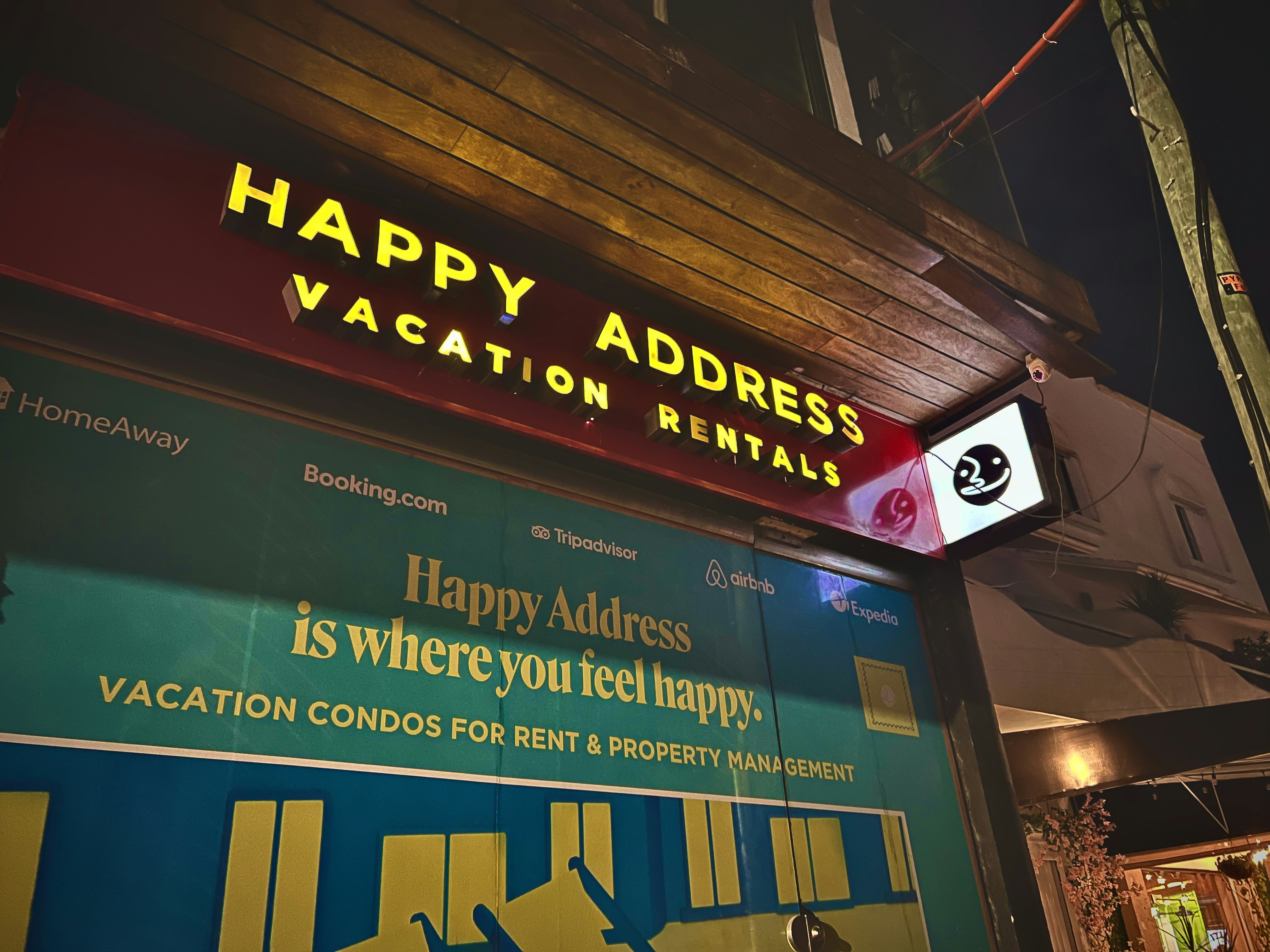
Introduction to Short-Term and Long-Term Rentals
As the rental market continues to evolve, both short-term and long-term rentals offer unique investment opportunities for property owners and investors. Short-term rentals, often exemplified by platforms like Airbnb, involve leasing property for brief periods, typically ranging from a few nights to a few weeks. This model has gained immense popularity due to its potential for higher nightly rates and flexibility in occupancy. Additionally, hosts can cater to diverse clientele, including vacationers, business travelers, and those needing temporary accommodation due to various circumstances.
On the other hand, long-term rentals signify traditional leasing agreements that generally span six months to several years. This model guarantees more stable cash flow through consistent rent payments from tenants, reducing the risks associated with fluctuating occupancy rates. Long-term agreements also lessen the frequency of tenant turnover, thereby lowering associated costs such as advertising, cleaning, and maintenance. For many property owners, the predictability of long-term rentals, especially in a volatile economy, can be particularly appealing.
Leading into 2025, various economic factors are reshaping the rental landscape, reflecting societal behavior shifts and emerging trends. The growing acceptance of remote work and changing travel habits post-pandemic have intensified interest in both rental types. A noteworthy trend is the increase in demand for short-term rentals in non-traditional markets, such as suburban areas. This shift can be attributed to individuals seeking affordable vacation spots and temporary housing outside major cities.
Overall, understanding the basic principles of short-term and long-term rentals provides vital insights into how property owners can strategically position themselves in the market. As economic factors continue to shift, examining these rental types is critical for informed decision-making in the evolving landscape of real estate investments.
Current Market Trends for 2025
The real estate landscape is evolving dramatically as we approach 2025, shaped by a myriad of influences that will dictate the profitability of rental properties. One of the most significant drivers is the anticipated recovery of the tourism industry following the global pandemic. With travel restrictions loosening and consumer confidence returning, tourist destinations are expected to see a significant uptick in visitors. This revival will likely result in increased demand for short-term rentals, including those offered on platforms like Airbnb, positioning them as potentially more lucrative in prime locations.
In addition, urban living preferences are shifting. The pandemic has changed the way people view remote work and urban spaces. A notable trend is the increasing preference for flexible living arrangements. Many individuals and families are opting for longer stays in urban centers or attractive tourist areas, thus fostering a healthy market for both short and long-term rentals. This trend could lead to higher occupancy rates, aiding landlords in maximizing their rental income.
Moreover, the economic recovery post-pandemic is expected to influence rental rates across the board. Economists predict an upward trend in wages and disposable incomes, which will enable a broader audience to afford higher rents, helping landlords set competitive rates. A report by national real estate associations has indicated that rental rates could increase by approximately 10% over the next few years, reflecting demand for both types of rental properties.
Data forecasts suggest that demand for rental properties will remain robust, driven by shifts in living preferences and an invigorated tourism sector. As these trends unfold, they will significantly impact the decision-making process for investors considering between Airbnb and traditional long-term rental strategies in 2025, ultimately influencing their potential for higher returns.
Financial Aspects: Revenue Potential of Airbnb
In recent years, Airbnb has revolutionized the hospitality industry, presenting a lucrative opportunity for property owners. The financial potential of operating a short-term rental through platforms like Airbnb is enhanced by various factors, including average rental income per night, occupancy rates, and pricing strategies. Typically, the average daily rate for Airbnb rentals can average anywhere from $75 to $250 or more, depending on the location, property type, and amenities offered. This wide range indicates a significant income potential for hosts, particularly those in high-demand tourist destinations.
Occupancy rates for short-term rentals can also play a crucial role in financial returns. Research studies suggest that successful Airbnb hosts often maintain occupancy rates between 60% to 80%. This performance is particularly notable during peak tourist seasons when properties can even be fully booked. Indeed, understanding local demand and seasonal trends allows hosts to adjust their pricing accordingly, potentially maximizing rental income. During peak seasons or local events, hosts can adopt dynamic pricing strategies to increase their nightly rates, resulting in greater overall revenue.
Beyond standard rental fees, Airbnb hosts can also capitalize on additional revenue streams, such as cleaning fees and service charges, which can significantly enhance profitability. Knowing how to leverage these extra charges while ensuring a positive guest experience is key. For example, adding a reasonable cleaning fee can help cover the costs associated with preparing the property for new guests. Case studies reveal that proactive hosts often incorporate value-added services, like guided tours or transportation arrangements, further increasing their income potential. These strategies underscore the importance of optimization in the Airbnb market, illustrating how effective management can lead to substantial financial gains for hosts.
Financial Aspects: Revenue Potential of Long-Term Rentals
When considering the financial viability of property investment, long-term rentals present a compelling option for landlords. One of the foremost advantages of long-term rental agreements is the stability and predictability of income. Unlike short-term rentals, which can fluctuate based on seasonality and market demand, long-term rentals generally involve leases that last from six months to a year or more, ensuring a consistent cash flow and reducing uncertainty for property owners.
Moreover, average monthly rental rates for long-term leases typically reflect a more stable revenue stream. In many urban areas, landlords can expect to charge competitive rates based on the local market conditions, which allows them to cover mortgage payments, property taxes, and maintenance costs effectively. For instance, in a city where the average rent for a two-bedroom apartment hovers around $1,800, landlords may find that their yearly earnings provide a solid return on investment without the volatility associated with short-term rentals.
Occupancy stability is another financial advantage linked to long-term rentals. Once a suitable tenant is secured, landlords can often anticipate minimal vacancy periods. According to industry data, properties with long-term leases enjoy higher occupancy rates compared to short-term rentals, which can experience gaps due to tenant turnover. Not only does this minimize income disruptions, but it also mitigates costs related to advertising and preparing the property for new guests.
Additionally, long-term tenants often exhibit lower turnover rates, which can significantly reduce management expenses. Fewer tenant transitions mean landlords spend less on cleaning, repairs, and renovations between tenants. This cost-effectiveness, combined with the ability to establish a solid tenant relationship, enhances the overall revenue potential of long-term rentals versus their short-term counterparts. Overall, long-term rentals present a reliable income source that can significantly bolster a property owner’s financial portfolio in 2025 and beyond.
Expenses Associated with Each Rental Model
When considering the financial implications of investing in real estate, it is crucial to examine the expenses linked with both short-term rentals, such as Airbnb, and long-term rental models. Each approach has distinct financial responsibilities that can significantly impact overall profitability. Understanding these costs can enable property investors to make informed decisions regarding their rental strategies in 2025 and beyond.
Short-term rentals often entail higher operational costs. For instance, frequent turnover of guests typically leads to increased cleaning and maintenance expenses. In addition, property management fees can accumulate, especially if owners opt for professional services to handle bookings, guest communications, and maintenance tasks. Utilities may also vary; short-term rentals may require higher expenses for heating and air conditioning compared to long-term rentals, where tenants often manage their electricity and water consumption more efficiently.
Conversely, long-term rentals tend to have more predictable expenses. While the maintenance costs remain, they do not arise as frequently due to the stability of tenants residing for extended periods. Property management fees can also be lower for long-term rentals since property owners might choose to manage their rental themselves. However, it is essential to account for occasional vacancies and associated costs, such as advertising for new tenants and any repairs necessary to prepare the unit for new occupants.
Tax considerations can further differentiate the two models. Short-term rentals may be subject to higher tax rates and transient occupancy taxes, while long-term rentals could benefit from more favorable tax deductions. Thus, each rental model presents unique financial challenges and advantages, underscoring the necessity for potential investors to carefully evaluate and balance these expenses when contemplating their investment strategies.
Regulations and Legal Considerations
As the short-term rental market continues to evolve, a complex regulatory landscape is becoming increasingly significant, especially for platforms like Airbnb. By 2025, local governments are anticipated to modify zoning laws, requiring potential hosts to navigate an array of legal considerations before entering this market. These regulations often dictate where short-term rentals can operate, potentially limiting availability in desirable neighborhoods and affecting overall profitability.
Another critical aspect of compliance involves rental licenses. Many municipalities are implementing stringent licensing requirements that necessitate registration for short-term rentals. Hosts who fail to secure the appropriate permissions may face hefty fines or even have their properties delisted from platforms like Airbnb. Conversely, long-term rentals often come with established legal frameworks, making them less susceptible to sudden regulatory changes. Investors considering Airbnb must remain vigilant about these developments to minimize risks and ensure compliance.
Health and safety regulations are yet another layer influencing the profitability of short-term rentals. In the wake of the COVID-19 pandemic, many jurisdictions are instituting enhanced cleaning protocols and other safety requirements. Hosts must invest in proper sanitation measures, which could lead to increased operational costs. The implications for long-term rentals in this context could also be significant, depending on the regulations affecting tenant safety standards.
In addition to understanding the current legal environment, potential Airbnb hosts should also be aware of how future regulations may shape the market. Keeping abreast of emerging laws will be critical for those looking to optimize their rental strategies. By comprehensively analyzing these regulatory trends, investors can better position themselves to make informed financial decisions regarding whether Airbnb or long-term rentals will yield more lucrative returns by 2025.
Market Demand Dynamics: Social Trends Impacting Rentals
The rental market is continuously influenced by various social trends, and understanding these dynamics is essential for both Airbnb and long-term rentals in 2025. One significant factor is the demographic shift occurring globally. Millennials and Generation Z are increasingly becoming the primary market for rentals, with distinct preferences compared to previous generations. These younger cohorts tend to favor flexibility, and experiences over ownership, making short-term rentals like Airbnb appealing. Conversely, as they age, their needs may shift toward longer-term housing, thereby affecting demand for traditional rentals.
Another crucial trend is the rise of remote work, a phenomenon that gained momentum during the pandemic. Many individuals now have the flexibility to work from anywhere, prompting them to seek short-term housing options in various locations. This trend is likely to increase the appeal of Airbnb-type rentals, as professionals look for temporary residences that cater to their work-life balance, potentially prioritizing locations with appealing amenities and environments. This remote work dynamic can lead to price optimization strategies that impact both types of rentals.
Post-pandemic lifestyle changes have also influenced rental preferences. Travelers are more inclined to seek out unique experiences rather than conventional hotel stays. This has resulted in a marked increase in demand for short-term rentals, while the long-term rental market experiences shifts as tenants reassess their housing needs in light of newfound flexibility. As families reconsider their living spaces and escape the confines of urban areas, long-term rentals may see an uptick in demand in suburban or rural areas.
Lastly, evolving travel habits are shaping the rental landscape. A growing emphasis on sustainable travel and staycations has led many to explore local options rather than traditional tourism hotspots, impacting short-term rental bookings. Overall, these social trends will continue to steer the dynamics of the rental market, making it crucial for stakeholders to stay adaptable and aware.
Comparative Analysis: Profitability Projections for 2025
The profitability of Airbnb versus long-term rentals in 2025 can be examined through a detailed financial comparison that takes into account various influencing factors. The two models have distinct revenue generation mechanisms, and understanding these can significantly inform investment decisions. The Airbnb platform, characterized by short-term, fluctuating rental rates, can yield higher annual revenue when occupancy rates are optimized. For instance, properties located in prime tourist destinations may experience annual revenues nearing $100,000, assuming an average nightly rate of $200 and a 70% occupancy rate.
Conversely, long-term rentals offer more predictable income streams, typically secured through year-long leases. The average rented property might generate around $24,000 to $36,000 annually, depending on regional market values and demand. This stability is appealing, particularly during economic downturns or periods of fluctuating tourism. Furthermore, as legislative scrutiny on short-term rentals increases in some urban markets, long-term rentals can avoid the uncertainties posed by potential regulatory changes.
Risk versus reward analysis is also central to understanding profitability. While Airbnb’s model can result in substantial income, it often comes with increased risks, including the potential for property damage, higher turnover rates, and varying demand influenced by market trends. In contrast, long-term rentals present lesser volatility, but this stability may result in lower maximal earnings. Factors such as local economic conditions, tourism trends, and property management practices will play pivotal roles in shaping future profitability for both rental models. Therefore, potential investors must weigh the potential for high returns against the security of steady income when considering either option in 2025.
Conclusion and Recommendations
After evaluating the fundamental differences between Airbnb and long-term rentals, it is evident that each option offers unique advantages and challenges, particularly as we approach 2025. For property owners, the decision should hinge on a thorough analysis of personal investment goals, market conditions, and operational capabilities.
Airbnb rentals generally provide the potential for higher income on a short-term basis, especially in tourist-heavy areas. The flexibility to set varying rates based on demand can lead to significant returns. However, this approach requires considerable time investment for management, marketing, and maintaining the property. Owners must also navigate fluctuating occupancy rates and the risk of damage from transient guests, which can impact profitability.
On the contrary, long-term rentals offer more stability and predictable income. This model typically involves less hands-on management, allowing property owners to maintain a steady cash flow over time without constant tenant turnover. While the rental income per month may be lower compared to Airbnb, it effectively mitigates the risks associated with vacancy and the uncertainties of short-term leasing. For those seeking a hassle-free approach, long-term rentals can be particularly appealing.
In light of the findings, property owners should tailor their approach based on specific circumstances. Those situated in high-demand tourist markets might benefit from embracing short-term rentals, utilizing dynamic pricing strategies and effective marketing to optimize visibility. Conversely, investors in suburban or rural areas may find long-term rentals to be more advantageous given lower competition and steady demand.
Overall, aligning strategies with market trends and individual financial objectives can assist owners in maximizing rental income. Adapting to the evolving landscape of real estate will be key to ensuring consistency and profitability in the years ahead.
 ZeroToHero